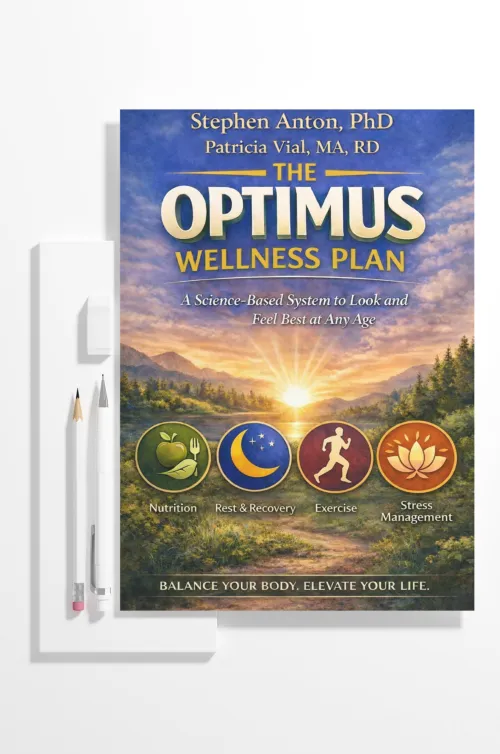
The Optimal Wellness Plan
A free book from a PhD researcher with 25 years in aging science — five things you can start doing this week to feel stronger, think more clearly, and protect your health for the long run.
No spam. No sales pitch. Just the science, simplified.

Dr. Stephen Anton
PhD

University of Florida
Professor
250+
Peer-Reviewed Publications
25 Years
Researching Aging, Metabolism & Longevity
If You're Over 40, You've Probably Noticed Something Shifting.
The energy that used to come easily takes more effort now. The weight that used to move doesn't budge the same way. You sleep and still wake up tired. Your thinking feels a little slower than it used to.
Most people assume this is just aging. They accept it, manage around it, and quietly lower their expectations for what their body can do.
I've spent 25 years studying what actually drives these changes — and the research tells a different story.
Most of what we call normal aging isn't inevitable. It's the result of a handful of specific habits — and it can be changed.
Popular Blogs
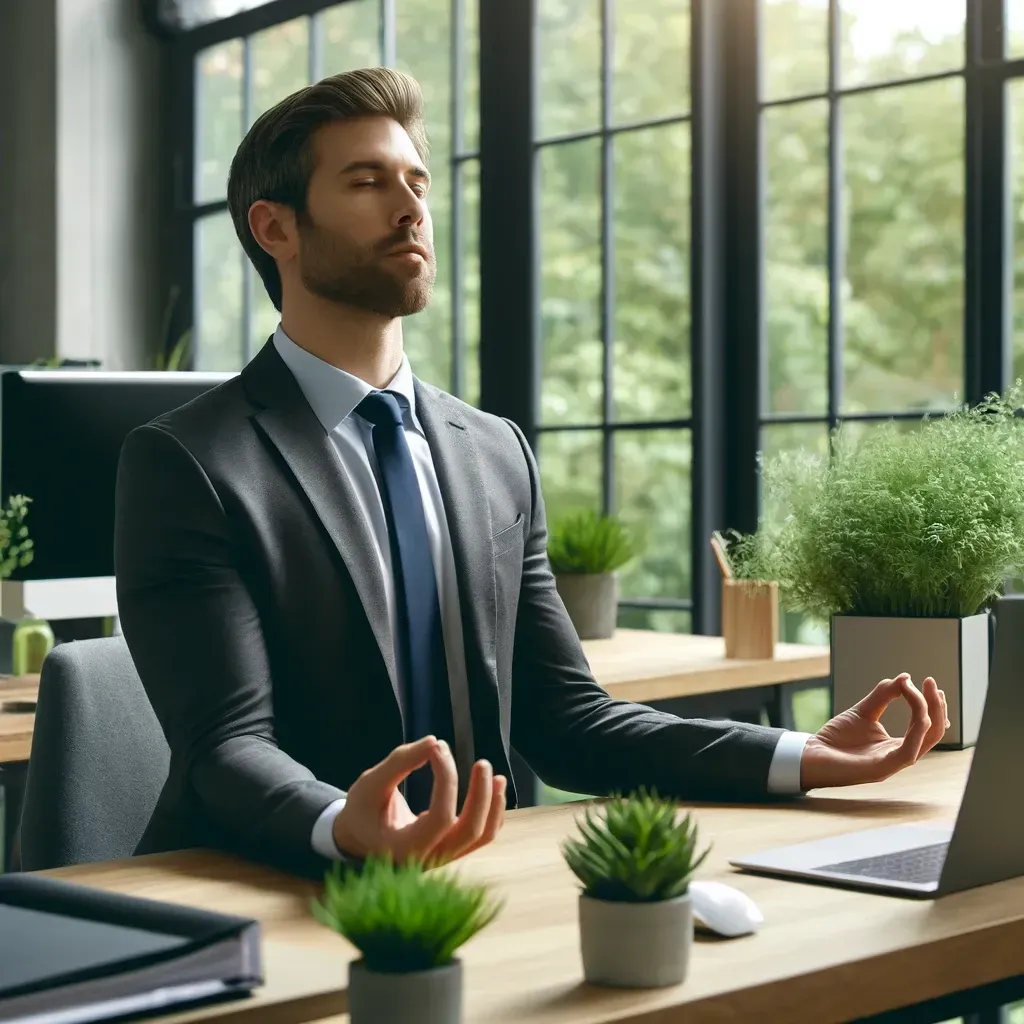
Mastering Stress Management: Simple Strategies for Everyday Life
In today’s fast-paced world, stress seems to be a constant companion. Whether it’s balancing work, family, or personal goals, stress can take a toll on our mental and physical well-being. However, managing stress is crucial not only for feeling good but also for staying productive and living a more balanced life. Here, we explore some easy and practical strategies that anyone can use to manage stress and feel more in control.
Table of Contents
Transform Worry into Positive Visualization
Prioritize Your Physical Health
Start with Self-Awareness
Understanding what stresses you out and how you react to it is the first step in managing stress. Pay attention to what triggers you and how your body responds. Many people experience tight shoulders or a racing heart when they feel stressed. Regular self-reflection through journaling or simply pausing for a moment can help you identify these patterns and create a plan to handle stress better.
Practical Tip: Take five minutes each day to jot down situations that caused stress and how you felt. This can help you spot recurring stressors and make better decisions moving forward.
Focus on One Thing at a Time
Life can often feel overwhelming with a million tasks pulling you in different directions. Instead of trying to do everything at once, focus on one thing that is most important to you. It could be improving your health, organizing your workspace, or spending more time with loved ones. By concentrating on one meaningful action at a time, you’ll avoid feeling scattered and reduce your stress levels.
Practical Tip: Each morning, make a list of tasks but pick just one to prioritize for the day. This will help you focus and feel more accomplished without added stress.
Transform Worry into Positive Visualization
Worrying about what might go wrong drains your energy. When you catch yourself worrying, try turning that negative thinking into positive visualization. Picture the best possible outcome of the situation instead of the worst-case scenario. This practice not only reduces stress but also encourages a more optimistic and proactive mindset.
Practical Tip: If you’re feeling anxious about an upcoming event, close your eyes and imagine everything going perfectly. Notice how this shift in thinking makes you feel more relaxed and confident.
Learn to Say No
It’s easy to say yes to everything because we don’t want to disappoint others. But overcommitting can lead to burnout and increased stress. Learning to say no when you’re stretched thin is essential. Focus on what aligns with your priorities and let go of the rest.
Practical Tip: Practice saying “I’ll think about it” before agreeing to new commitments. This gives you time to evaluate whether you have the bandwidth without feeling pressured.
Take Time to Recharge
Life can be busy, but it’s important to carve out moments for yourself. Whether it’s a quick walk, a five-minute meditation, or just sitting quietly with a cup of tea, these little breaks help reduce stress. Also, make sure you engage in activities outside of work or obligations that bring you joy, such as hobbies, exercise, or spending time with loved ones.
Practical Tip: Set a reminder on your phone to take a 5-minute break every hour. Use this time to stretch, breathe deeply, or do something that re-energizes you.
Create a Healthy Environment
Your surroundings have a big impact on how you feel. Try to foster a space, whether at home or work, that is calm and supports a healthy lifestyle. This could be as simple as keeping your environment organized or encouraging open communication with the people around you to reduce tension.
Practical Tip: Declutter one area of your home or workspace each week. A clear space often leads to a clearer mind.
Prioritize Your Physical Health
Your body plays a key role in managing stress. Exercise, a healthy diet, and proper sleep all contribute to reducing stress levels. Even light physical activity, such as walking or stretching, can make a difference in how you feel.
Practical Tip: Start with a 10-minute walk or a quick stretch during the day to boost your mood and relieve stress.
Stay Curious and Keep Learning
Engaging in new activities and learning can take your mind off stress. It keeps you motivated and helps you focus on growth instead of pressure. This might include reading, picking up a new hobby, or attending a class.
Practical Tip: Spend 15 minutes each day reading something that interests you or exploring a new skill. It can refresh your mind and give you a break from daily stressors.
Build a Support Network
You don’t have to go through stress alone. Having friends, family, or even online communities to talk to can make a big difference. Sharing your experiences and hearing from others helps you feel less isolated and gives you a fresh perspective on handling stress.
Practical Tip: Schedule regular times to catch-up with friends and family or join an online community that shares your interests to maintain social connections.
Conclusion
Managing stress doesn’t have to be complicated. By focusing on self-awareness, setting boundaries, practicing mindfulness, and making time for yourself, you can reduce stress and improve your well-being. Additionally, adopting healthy lifestyle habits can make a big difference in how you feel all day. Last but not least, having a strong social support network can help buffer the challenges of life. Incorporating these practical strategies into your daily life will help you feel more balanced, energized, and ready to face whatever comes your way.
The Optimal Wellness Plan — Free, and Readable in About 10 Minutes.
I wrote this book because I wanted to put the most important science into the hands of people who can actually use it — without the jargon, without the hype, and without asking you to overhaul your life overnight.
It covers the five areas that matter most for how well you age: your metabolism, your muscle, your brain, your sleep, and your stress response.
Each section gives you one specific, evidence-backed action you can take this week. Not a complicated protocol. One thing. Because one thing done consistently is worth more than five things done occasionally.

How I Help You Age Better
I've organized everything I offer around five core areas. You probably need help in more than one of these areas - most people do. The good news is if you improve in one area, you are likely to see improvements in other areas.

More Energy & Better Metabolism
You want to wake up ready to go, not drag through the day. This is about optimizing how your body processes food and fuel. Better metabolism means better energy, easier weight control, and stronger physical performance.
Brain Health & Sharp Thinking
Protecting your brain and maintaining your mental clarity as you age isn't something that happens by accident. It requires specific nutrition, sleep habits, movement, and lifestyle strategies specific to brain health. I'll show you exactly what works.
Stay Strong & Move Without Pain
Maintaining muscle, balance, and mobility is what allows you to live a full life and stay independent as you age. Whether it’s hiking, skiing, playing with your kids (or grandkids) or just moving through your day without stiffness - this matters.
Recovery & Physical Resilience
Your body needs proper recovery to stay healthy. This includes good quality sleep, stress management, and movement strategies that help you bounce back faster.
Purpose & Peace of Mind
Physical health is part of the equation. So is feeling like you're in control of your future, living with purpose, and knowing you're doing the right things at the right times.
How I Help You Age Better
I've organized everything I offer around five core areas. You probably need help in more than one of these areas - most people do. The good news is if you improve in one area, you are likely to see improvements in other areas.
Alpha Max Test 3D

All-natural testosterone booster I formulated with the one and only Funk Roberts.
The Better Fit Mask
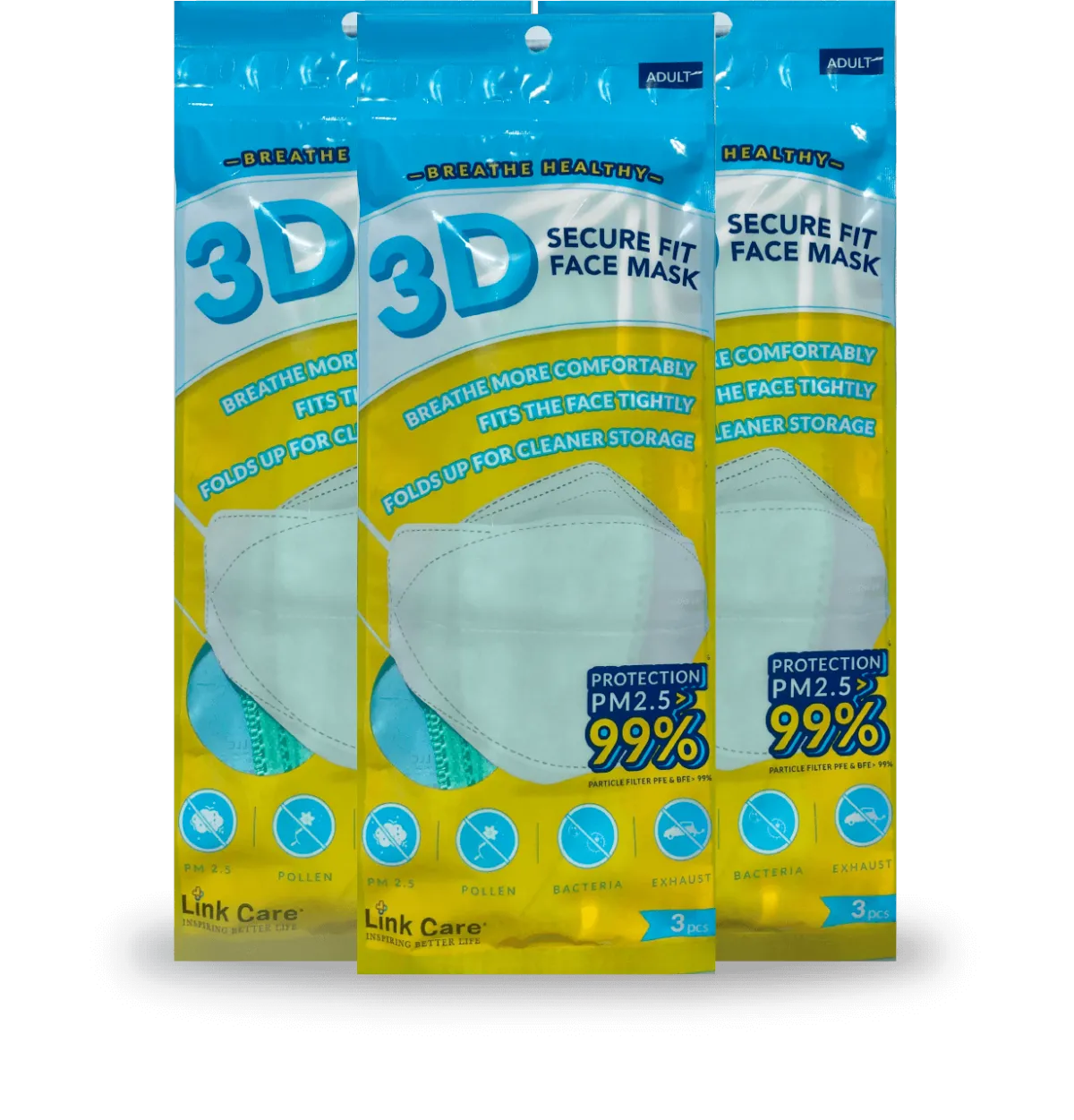
My preferred facemask for protection and comfort. Use code: DRANTON for 10% off.
This Book is for You if:
You're between 40 and 75 and serious about staying healthy — not just avoiding disease, but maintaining the energy, strength, and clarity to actually live the life you want.
You're skeptical of quick fixes and extreme programs. You want to know what the research actually says, explained in plain language.
You're willing to make real changes — but you want to start with the ones that matter most, not a 47-point checklist.
You've felt like most health content talks around the issue rather than directly at it.
If that's you, this book was written with you in mind.


A Little About Me
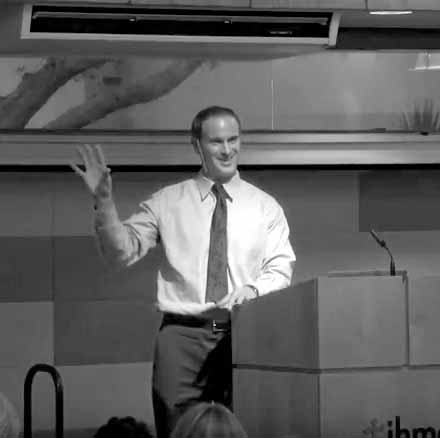
I'm Dr. Stephen Anton. I'm a professor and researcher at the University of Florida, where I've spent more than 25 years studying aging, metabolism, and lifestyle interventions.
I've published over 250 peer-reviewed articles. My research on intermittent fasting was named the most-downloaded article in the journal Obesity in 2019. I've spent my career in the lab and in clinical settings, working with real people on the habits that actually extend healthy, functional life.
I'm also someone who applies this research personally — every day. What I share with you isn't a curated wellness persona. It's what the evidence points to, lived out.
I wrote this book because the science is clear, and too few people have access to it in a form they can actually use.
Get the Free Book.
Ten minutes from now, you'll have a clear picture of where you stand and one specific place to start.
That's the goal — not information overload, but a starting point you can act on today.
No cost. No spam. Unsubscribe anytime.
Recent Blogs
Mastering Stress Management: Simple Strategies for Everyday Life
In today’s fast-paced world, stress seems to be a constant companion. Whether it’s balancing work, family, or personal goals, stress can take a toll on our mental and physical well-being. However, managing stress is crucial not only for feeling good but also for staying productive and living a more balanced life. Here, we explore some easy and practical strategies that anyone can use to manage stress and feel more in control.
Table of Contents
Transform Worry into Positive Visualization
Prioritize Your Physical Health
Start with Self-Awareness
Understanding what stresses you out and how you react to it is the first step in managing stress. Pay attention to what triggers you and how your body responds. Many people experience tight shoulders or a racing heart when they feel stressed. Regular self-reflection through journaling or simply pausing for a moment can help you identify these patterns and create a plan to handle stress better.
Practical Tip: Take five minutes each day to jot down situations that caused stress and how you felt. This can help you spot recurring stressors and make better decisions moving forward.
Focus on One Thing at a Time
Life can often feel overwhelming with a million tasks pulling you in different directions. Instead of trying to do everything at once, focus on one thing that is most important to you. It could be improving your health, organizing your workspace, or spending more time with loved ones. By concentrating on one meaningful action at a time, you’ll avoid feeling scattered and reduce your stress levels.
Practical Tip: Each morning, make a list of tasks but pick just one to prioritize for the day. This will help you focus and feel more accomplished without added stress.
Transform Worry into Positive Visualization
Worrying about what might go wrong drains your energy. When you catch yourself worrying, try turning that negative thinking into positive visualization. Picture the best possible outcome of the situation instead of the worst-case scenario. This practice not only reduces stress but also encourages a more optimistic and proactive mindset.
Practical Tip: If you’re feeling anxious about an upcoming event, close your eyes and imagine everything going perfectly. Notice how this shift in thinking makes you feel more relaxed and confident.
Learn to Say No
It’s easy to say yes to everything because we don’t want to disappoint others. But overcommitting can lead to burnout and increased stress. Learning to say no when you’re stretched thin is essential. Focus on what aligns with your priorities and let go of the rest.
Practical Tip: Practice saying “I’ll think about it” before agreeing to new commitments. This gives you time to evaluate whether you have the bandwidth without feeling pressured.
Take Time to Recharge
Life can be busy, but it’s important to carve out moments for yourself. Whether it’s a quick walk, a five-minute meditation, or just sitting quietly with a cup of tea, these little breaks help reduce stress. Also, make sure you engage in activities outside of work or obligations that bring you joy, such as hobbies, exercise, or spending time with loved ones.
Practical Tip: Set a reminder on your phone to take a 5-minute break every hour. Use this time to stretch, breathe deeply, or do something that re-energizes you.
Create a Healthy Environment
Your surroundings have a big impact on how you feel. Try to foster a space, whether at home or work, that is calm and supports a healthy lifestyle. This could be as simple as keeping your environment organized or encouraging open communication with the people around you to reduce tension.
Practical Tip: Declutter one area of your home or workspace each week. A clear space often leads to a clearer mind.
Prioritize Your Physical Health
Your body plays a key role in managing stress. Exercise, a healthy diet, and proper sleep all contribute to reducing stress levels. Even light physical activity, such as walking or stretching, can make a difference in how you feel.
Practical Tip: Start with a 10-minute walk or a quick stretch during the day to boost your mood and relieve stress.
Stay Curious and Keep Learning
Engaging in new activities and learning can take your mind off stress. It keeps you motivated and helps you focus on growth instead of pressure. This might include reading, picking up a new hobby, or attending a class.
Practical Tip: Spend 15 minutes each day reading something that interests you or exploring a new skill. It can refresh your mind and give you a break from daily stressors.
Build a Support Network
You don’t have to go through stress alone. Having friends, family, or even online communities to talk to can make a big difference. Sharing your experiences and hearing from others helps you feel less isolated and gives you a fresh perspective on handling stress.
Practical Tip: Schedule regular times to catch-up with friends and family or join an online community that shares your interests to maintain social connections.
Conclusion
Managing stress doesn’t have to be complicated. By focusing on self-awareness, setting boundaries, practicing mindfulness, and making time for yourself, you can reduce stress and improve your well-being. Additionally, adopting healthy lifestyle habits can make a big difference in how you feel all day. Last but not least, having a strong social support network can help buffer the challenges of life. Incorporating these practical strategies into your daily life will help you feel more balanced, energized, and ready to face whatever comes your way.
© Copyright 2026 | All Rights Reserved Dr. Stephen Anton | Terms & Conditions
This information is for educational purposes only and is not a substitute for personalized medical advice. Please consult your physician before making changes to your health routine.