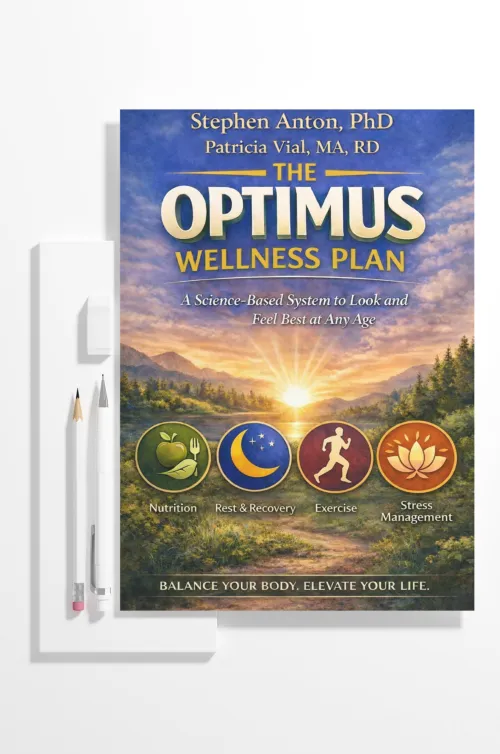
The Optimal Wellness Plan
A free book from a PhD researcher with 25 years in aging science — five things you can start doing this week to feel stronger, think more clearly, and protect your health for the long run.
No spam. No sales pitch. Just the science, simplified.
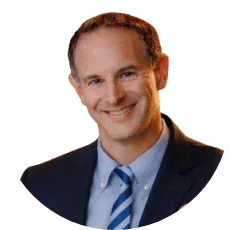
Dr. Stephen Anton
PhD
University of Florida
Professor
250+
Peer-Reviewed Publications

25 Years
Researching Aging, Metabolism & Longevity
If You're Over 40, You've Probably Noticed Something Shifting.
The energy that used to come easily takes more effort now. The weight that used to move doesn't budge the same way. You sleep and still wake up tired. Your thinking feels a little slower than it used to.
Most people assume this is just aging. They accept it, manage around it, and quietly lower their expectations for what their body can do.
I've spent 25 years studying what actually drives these changes — and the research tells a different story.
Most of what we call normal aging isn't inevitable. It's the result of a handful of specific habits — and it can be changed.
Popular Blogs
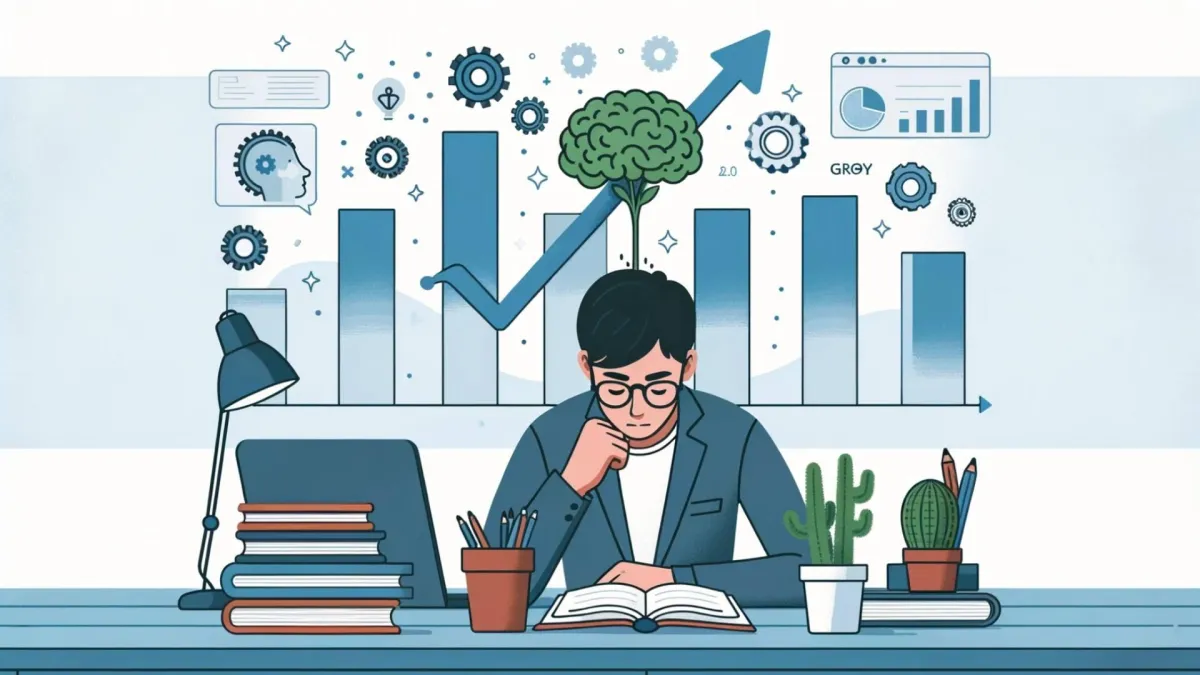
The Power of Daily Decisions: Building Resilience Through Consistent Challenge
In the journey of life, we are faced with countless decisions every single day. From the mundane choices of what to eat for breakfast to the more significant decisions that shape our careers and relationships, each choice we make has the power to influence our reality and build our resilience. Yet, amidst the hustle and bustle of daily life, it’s easy to overlook the profound impact that our daily decisions can have on our long-term well-being and success.
One principle that often gets overlooked is the power of consistently choosing to do the harder thing. Whether it’s pushing ourselves to tackle challenging tasks at work, committing to a rigorous fitness routine, or embarking on the journey of learning a new skill, embracing the harder path can lead to transformative growth and resilience. It’s important to remember that the harder thing is often just a combination of many simple things. By breaking down daunting tasks into manageable parts, we can make significant progress over time.
Table of Contents
Physical Resilience: The Endurance Athlete’s Journey
The Path to Resilience
Resilience is defined as the ability to bounce back from adversity stronger than before. It’s the capacity to adapt and thrive in the face of challenges and setbacks. And while resilience is often thought of as an innate trait, research has shown that it can also be cultivated through deliberate practice and consistent effort.
One of the most effective ways to build resilience is by consistently choosing to do the harder thing. When we push ourselves outside of our comfort zones and embrace challenges, we create opportunities for growth and development that strengthen our resilience muscles. Just like a muscle grows stronger through resistance training, our resilience grows stronger through facing and overcoming adversity. Here, the notion that the harder thing is just a combination of simple things becomes vital. Each small step we take contributes to the larger goal, making the seemingly impossible achievable.
Physical Resilience: The Endurance Athlete’s Journey
Endurance athletes provide a powerful example of the principle of doing the harder thing to build resilience. Take Pati, for instance, a seasoned marathon runner who has won several competitions over the years and still competes to this day. Pati didn’t wake up one day and decide to run a marathon; it took months, even years, of consistent training and pushing her limits to reach that goal.
Each day, Pati pushed herself to run a little farther, to run a little faster, to endure a little more discomfort. And over time, her body adapted to the demands placed upon it, becoming stronger, more resilient, and capable of achieving feats she once thought impossible. This transformation was a result of many simple, consistent efforts that combined to build her extraordinary endurance.
The same principle applies to other forms of physical training, such as weightlifting. If your goal is to lift heavier weights, you don’t start by attempting to lift the heaviest weight possible. Instead, you gradually increase the weight over time, challenging your muscles to adapt and grow stronger with each workout.
Mental Resilience: The Growth Mindset
But resilience isn’t just about physical strength; it’s also about mental fortitude. Just as our bodies adapt to physical challenges, our minds too can expand their capacity through consistent challenge and stimulation.
Consider the example of learning a new skill or tackling a complex problem at work. These tasks can be daunting at first, but by consistently pushing ourselves to tackle them head-on, we expand our mental capabilities and strengthen our problem-solving skills. Each complex problem is just a combination of simpler problems, and by solving each part, we can master the whole.
The key to building mental resilience lies in cultivating a growth mindset—a belief that our abilities are not fixed but can be developed through effort and perseverance. When we embrace the mindset that challenges are opportunities for growth rather than insurmountable obstacles, we empower ourselves to overcome adversity and thrive in the face of uncertainty.
Embracing the Harder Path
In a world that often values comfort and convenience, it can be tempting to take the path of least resistance. But true growth and resilience lie on the road less traveled—the road of consistent challenge and growth.
So, the next time you’re faced with a choice between the easy path and the harder path, consider the long-term impact of your decision. Choose to embrace the challenge, to push yourself outside of your comfort zone, and to cultivate resilience in every aspect of your life. Remember that what seems hard is often just a combination of simpler tasks. By tackling each part, the larger challenge becomes manageable.
Remember, resilience isn’t built overnight; it’s built through small, daily decisions to do the harder thing. And in the end, it’s these decisions that shape our reality and empower us to live our best lives.
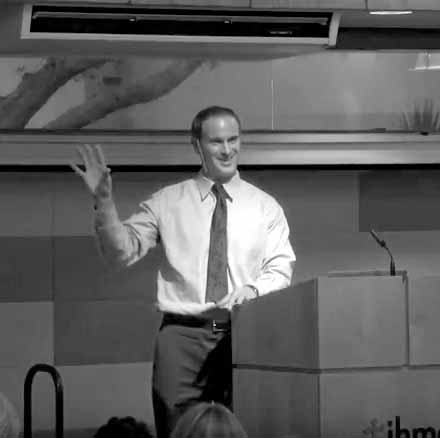
The Optimal Wellness Plan — Free, and Readable in About 10 Minutes.
I wrote this book because I wanted to put the most important science into the hands of people who can actually use it — without the jargon, without the hype, and without asking you to overhaul your life overnight.
It covers the five areas that matter most for how well you age: your metabolism, your muscle, your brain, your sleep, and your stress response.
Each section gives you one specific, evidence-backed action you can take this week. Not a complicated protocol. One thing. Because one thing done consistently is worth more than five things done occasionally.

How I Help You Age Better
I've organized everything I offer around five core areas. You probably need help in more than one of these areas - most people do. The good news is if you improve in one area, you are likely to see improvements in other areas.

More Energy & Better Metabolism
You want to wake up ready to go, not drag through the day. This is about optimizing how your body processes food and fuel. Better metabolism means better energy, easier weight control, and stronger physical performance.
Brain Health & Sharp Thinking
Protecting your brain and maintaining your mental clarity as you age isn't something that happens by accident. It requires specific nutrition, sleep habits, movement, and lifestyle strategies specific to brain health. I'll show you exactly what works.
Stay Strong & Move Without Pain
Maintaining muscle, balance, and mobility is what allows you to live a full life and stay independent as you age. Whether it’s hiking, skiing, playing with your kids (or grandkids) or just moving through your day without stiffness - this matters.
Recovery & Physical Resilience
Your body needs proper recovery to stay healthy. This includes good quality sleep, stress management, and movement strategies that help you bounce back faster.
Purpose & Peace of Mind
Physical health is part of the equation. So is feeling like you're in control of your future, living with purpose, and knowing you're doing the right things at the right times.
How I Help You Age Better
I've organized everything I offer around five core areas. You probably need help in more than one of these areas - most people do. The good news is if you improve in one area, you are likely to see improvements in other areas.
Alpha Max Test 3D
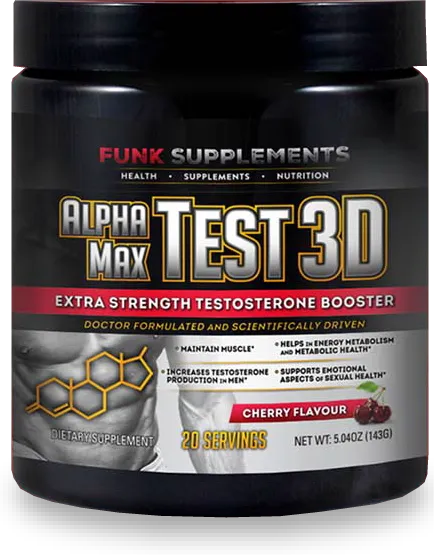
All-natural testosterone booster I formulated with the one and only Funk Roberts.
The Better Fit Mask
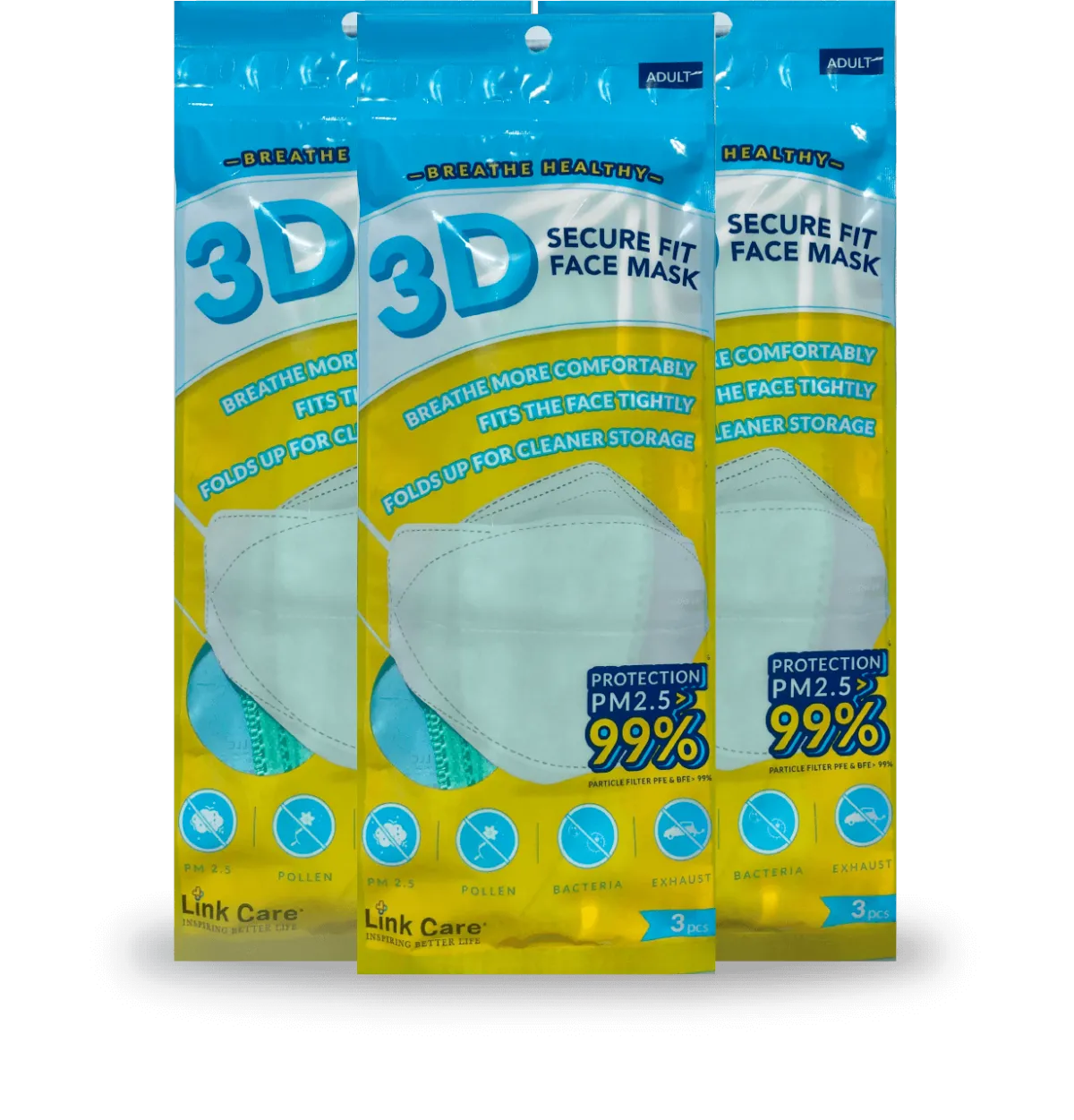
My preferred facemask for protection and comfort. Use code: DRANTON for 10% off.
This Book is for You if:
You're between 40 and 75 and serious about staying healthy — not just avoiding disease, but maintaining the energy, strength, and clarity to actually live the life you want.
You're skeptical of quick fixes and extreme programs. You want to know what the research actually says, explained in plain language.
You're willing to make real changes — but you want to start with the ones that matter most, not a 47-point checklist.
You've felt like most health content talks around the issue rather than directly at it.
If that's you, this book was written with you in mind.

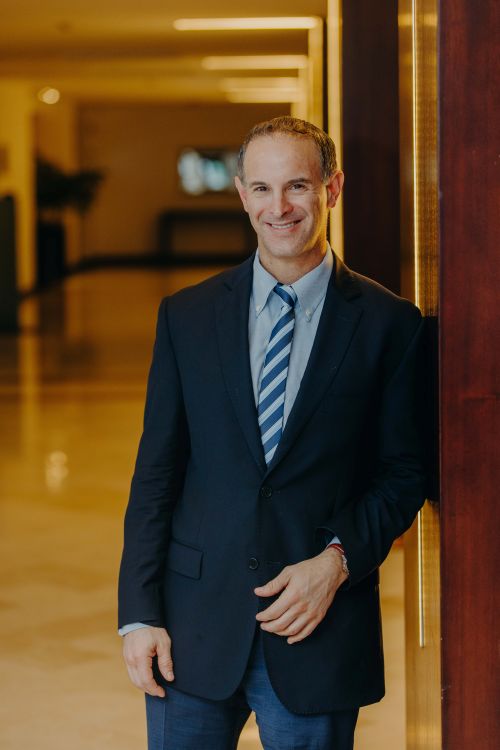
A Little About Me
I'm Dr. Stephen Anton. I'm a professor and researcher at the University of Florida, where I've spent more than 25 years studying aging, metabolism, and lifestyle interventions.
I've published over 250 peer-reviewed articles. My research on intermittent fasting was named the most-downloaded article in the journal Obesity in 2019. I've spent my career in the lab and in clinical settings, working with real people on the habits that actually extend healthy, functional life.
I'm also someone who applies this research personally — every day. What I share with you isn't a curated wellness persona. It's what the evidence points to, lived out.
I wrote this book because the science is clear, and too few people have access to it in a form they can actually use.
Get the Free Book.
Ten minutes from now, you'll have a clear picture of where you stand and one specific place to start.
That's the goal — not information overload, but a starting point you can act on today.
No cost. No spam. Unsubscribe anytime.
Recent Blogs
The Power of Daily Decisions: Building Resilience Through Consistent Challenge
In the journey of life, we are faced with countless decisions every single day. From the mundane choices of what to eat for breakfast to the more significant decisions that shape our careers and relationships, each choice we make has the power to influence our reality and build our resilience. Yet, amidst the hustle and bustle of daily life, it’s easy to overlook the profound impact that our daily decisions can have on our long-term well-being and success.
One principle that often gets overlooked is the power of consistently choosing to do the harder thing. Whether it’s pushing ourselves to tackle challenging tasks at work, committing to a rigorous fitness routine, or embarking on the journey of learning a new skill, embracing the harder path can lead to transformative growth and resilience. It’s important to remember that the harder thing is often just a combination of many simple things. By breaking down daunting tasks into manageable parts, we can make significant progress over time.
Table of Contents
Physical Resilience: The Endurance Athlete’s Journey
The Path to Resilience
Resilience is defined as the ability to bounce back from adversity stronger than before. It’s the capacity to adapt and thrive in the face of challenges and setbacks. And while resilience is often thought of as an innate trait, research has shown that it can also be cultivated through deliberate practice and consistent effort.
One of the most effective ways to build resilience is by consistently choosing to do the harder thing. When we push ourselves outside of our comfort zones and embrace challenges, we create opportunities for growth and development that strengthen our resilience muscles. Just like a muscle grows stronger through resistance training, our resilience grows stronger through facing and overcoming adversity. Here, the notion that the harder thing is just a combination of simple things becomes vital. Each small step we take contributes to the larger goal, making the seemingly impossible achievable.
Physical Resilience: The Endurance Athlete’s Journey
Endurance athletes provide a powerful example of the principle of doing the harder thing to build resilience. Take Pati, for instance, a seasoned marathon runner who has won several competitions over the years and still competes to this day. Pati didn’t wake up one day and decide to run a marathon; it took months, even years, of consistent training and pushing her limits to reach that goal.
Each day, Pati pushed herself to run a little farther, to run a little faster, to endure a little more discomfort. And over time, her body adapted to the demands placed upon it, becoming stronger, more resilient, and capable of achieving feats she once thought impossible. This transformation was a result of many simple, consistent efforts that combined to build her extraordinary endurance.
The same principle applies to other forms of physical training, such as weightlifting. If your goal is to lift heavier weights, you don’t start by attempting to lift the heaviest weight possible. Instead, you gradually increase the weight over time, challenging your muscles to adapt and grow stronger with each workout.
Mental Resilience: The Growth Mindset
But resilience isn’t just about physical strength; it’s also about mental fortitude. Just as our bodies adapt to physical challenges, our minds too can expand their capacity through consistent challenge and stimulation.
Consider the example of learning a new skill or tackling a complex problem at work. These tasks can be daunting at first, but by consistently pushing ourselves to tackle them head-on, we expand our mental capabilities and strengthen our problem-solving skills. Each complex problem is just a combination of simpler problems, and by solving each part, we can master the whole.
The key to building mental resilience lies in cultivating a growth mindset—a belief that our abilities are not fixed but can be developed through effort and perseverance. When we embrace the mindset that challenges are opportunities for growth rather than insurmountable obstacles, we empower ourselves to overcome adversity and thrive in the face of uncertainty.
Embracing the Harder Path
In a world that often values comfort and convenience, it can be tempting to take the path of least resistance. But true growth and resilience lie on the road less traveled—the road of consistent challenge and growth.
So, the next time you’re faced with a choice between the easy path and the harder path, consider the long-term impact of your decision. Choose to embrace the challenge, to push yourself outside of your comfort zone, and to cultivate resilience in every aspect of your life. Remember that what seems hard is often just a combination of simpler tasks. By tackling each part, the larger challenge becomes manageable.
Remember, resilience isn’t built overnight; it’s built through small, daily decisions to do the harder thing. And in the end, it’s these decisions that shape our reality and empower us to live our best lives.
© Copyright 2026 | All Rights Reserved Dr. Stephen Anton | Terms & Conditions
This information is for educational purposes only and is not a substitute for personalized medical advice. Please consult your physician before making changes to your health routine.