The Optimal Wellness Plan
A free book from a PhD researcher with 25 years in aging science — five things you can start doing this week to feel stronger, think more clearly, and protect your health for the long run.
No spam. No sales pitch. Just the science, simplified.

Dr. Stephen Anton
PhD

University of Florida
Professor

250+
Peer-Reviewed Publications

25 Years
Researching Aging, Metabolism & Longevity
If You're Over 40, You've Probably Noticed Something Shifting.
The energy that used to come easily takes more effort now. The weight that used to move doesn't budge the same way. You sleep and still wake up tired. Your thinking feels a little slower than it used to.
Most people assume this is just aging. They accept it, manage around it, and quietly lower their expectations for what their body can do.
I've spent 25 years studying what actually drives these changes — and the research tells a different story.
Most of what we call normal aging isn't inevitable. It's the result of a handful of specific habits — and it can be changed.
Popular Blogs
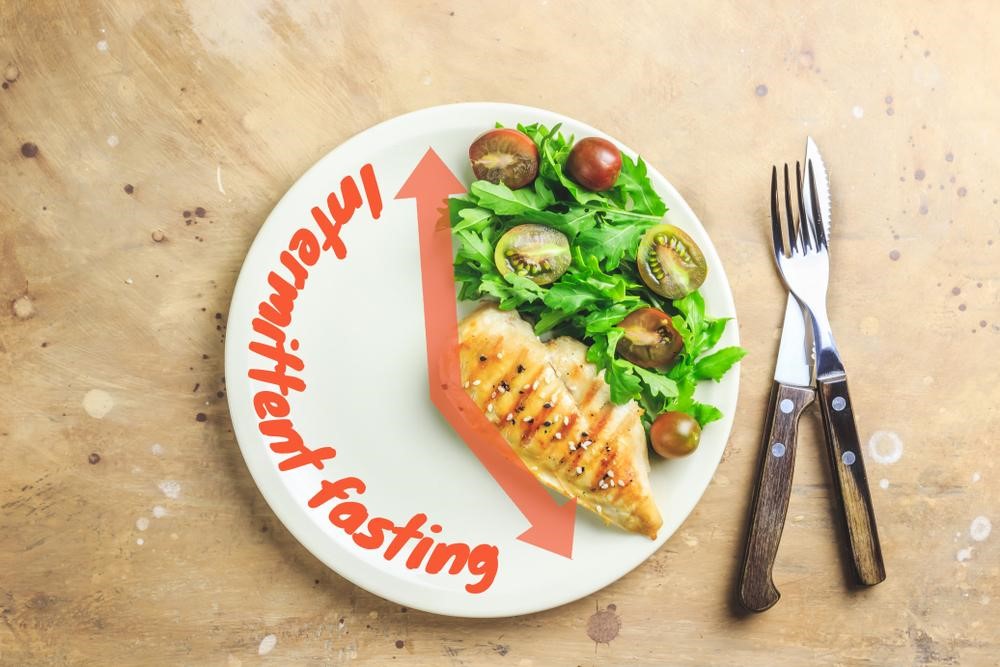
Getting Started with Intermittent Fasting
Unlocking the Power of Intermittent Fasting: A Beginner’s Guide
In the quest for better health, weight loss, and overall well-being, many have turned to various dietary strategies. Among these, intermittent fasting (IF) has emerged as a powerful and popular approach. But what exactly is intermittent fasting, and how can you harness its benefits? This beginner’s guide will help you unlock the power of intermittent fasting.
Table of Contents
Unlocking the Power of Intermittent Fasting: A Beginner’s Guide
The Benefits of Intermittent Fasting
What is Intermittent Fasting?
Intermittent fasting isn’t about what you eat; it’s about when you eat. It involves cycling between periods of eating and fasting. Unlike traditional diets that restrict calories and food types, IF focuses on the timing of meals. The most common methods include:
16/8 Method: Fast for 16 hours and eat during an 8-hour window. This method is popular due to its simplicity and flexibility, allowing you to fit your eating window around your lifestyle.
5:2 Diet: Eat normally for five days and restrict calories to 500-600 for two non-consecutive days. This approach can be easier for those who find daily fasting challenging.
Eat-Stop-Eat: Fast for 24 hours once or twice a week. This method involves a complete 24-hour fast, which can be tough initially but can yield significant benefits.
Alternate-Day Fasting: Alternate between normal eating days and fasting days. On fasting days, some people consume a very small amount of calories (about 500) instead of complete fasting.
The Benefits of Intermittent Fasting
Weight Loss and Fat Loss: By reducing the eating window, IF helps decrease calorie intake. The body also shifts to burning stored fat for energy during the fasting periods. Studies have shown that intermittent fasting can boost metabolic rate by increasing levels of norepinephrine, a hormone that enhances fat burning.
Improved Metabolic Health: IF can enhance insulin sensitivity, lower blood sugar levels, and reduce inflammation, which are crucial for metabolic health. It helps regulate blood glucose levels and reduces the risk of type 2 diabetes.
Heart Health: Intermittent fasting can reduce risk factors for heart disease, including cholesterol levels, blood pressure, and inflammatory markers. Improved cholesterol profiles and reduced blood pressure can significantly lower the risk of cardiovascular diseases.
Brain Health: Studies suggest that IF can support brain health by reducing oxidative stress, inflammation, and promoting the growth of new neurons. It may also protect against neurodegenerative diseases such as Alzheimer’s and Parkinson’s.
Longevity: Animal studies have shown that intermittent fasting can extend lifespan. While more research is needed in humans, the initial findings are promising. The potential longevity benefits are thought to be linked to improved metabolic health and reduced oxidative stress.
Getting Started with Intermittent Fasting
Choose Your Method: Select a fasting method that fits your lifestyle. Beginners often find the 16/8 method the easiest to start with. Consider your daily schedule, social commitments, and personal preferences when choosing a method.
Stay Hydrated: Drink plenty of water, herbal teas, and other non-caloric beverages during your fasting period to stay hydrated. Staying hydrated can help manage hunger and improve overall well-being.
Ease Into It: If you’re new to fasting, start with shorter fasting periods and gradually increase them as your body adjusts. For instance, you can start with a 12-hour fast and gradually work your way up to a 16-hour fast.
Listen to Your Body: Pay attention to how your body responds. It’s normal to feel hungry at first, but if you experience dizziness, fatigue, or other severe symptoms, adjust your approach. Everyone’s body is different, and it’s important to find what works best for you.
Maintain Nutrient-Dense Eating: During your eating windows, focus on whole, nutrient-dense foods to ensure you’re getting the necessary vitamins and minerals. Incorporate a balanced mix of proteins, healthy fats, and complex carbohydrates.
Tips for Success
Consistency: Like any lifestyle change, consistency is key. Stick to your chosen fasting method for several weeks to see the benefits. Keep track of your progress and adjust as needed.
Stay Active: Incorporate regular exercise into your routine. It can help enhance the benefits of intermittent fasting. Activities like walking, yoga, and strength training can be particularly effective.
Seek Support: Join a community or find a fasting buddy to stay motivated and share experiences. Sharing your journey with others can provide valuable support and encouragement.
Be Mindful of Your Eating Window: Plan your meals and snacks ahead of time to ensure you’re making healthy choices during your eating window. Avoid processed foods and focus on whole, nutrient-dense options.
Potential Challenges
Hunger and Cravings: These are common, especially when starting. Gradually, your body will adapt to the new eating pattern. Drinking water and staying busy can help manage cravings.
Social Situations: Fasting can be challenging during social events. Plan ahead and communicate your goals with friends and family. Consider adjusting your fasting schedule to accommodate special occasions.
Medical Conditions: If you have any pre-existing medical conditions or are taking medication, consult with your healthcare provider before starting intermittent fasting. Certain conditions, such as diabetes or eating disorders, may require special consideration.
Conclusion
Intermittent fasting can be a powerful tool for improving your health and well-being. By understanding the basics and starting gradually, you can unlock its full potential. Remember, the best fasting method is the one that fits seamlessly into your lifestyle. So, take the first step, stay committed, and enjoy the journey to a healthier you.
Whether your goal is weight loss, improved metabolic health, or simply feeling better, intermittent fasting offers a flexible and effective approach. With the right mindset and support, you can harness the power of intermittent fasting and transform your health.
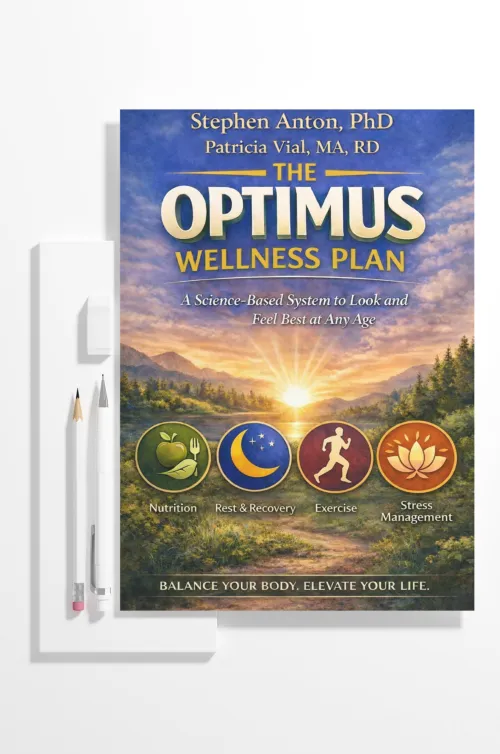
The Optimal Wellness Plan — Free, and Readable in About 10 Minutes.
I wrote this book because I wanted to put the most important science into the hands of people who can actually use it — without the jargon, without the hype, and without asking you to overhaul your life overnight.
It covers the five areas that matter most for how well you age: your metabolism, your muscle, your brain, your sleep, and your stress response.
Each section gives you one specific, evidence-backed action you can take this week. Not a complicated protocol. One thing. Because one thing done consistently is worth more than five things done occasionally.

How I Help You Age Better
I've organized everything I offer around five core areas. You probably need help in more than one of these areas - most people do. The good news is if you improve in one area, you are likely to see improvements in other areas.

More Energy & Better Metabolism
You want to wake up ready to go, not drag through the day. This is about optimizing how your body processes food and fuel. Better metabolism means better energy, easier weight control, and stronger physical performance.
Brain Health & Sharp Thinking
Protecting your brain and maintaining your mental clarity as you age isn't something that happens by accident. It requires specific nutrition, sleep habits, movement, and lifestyle strategies specific to brain health. I'll show you exactly what works.
Stay Strong & Move Without Pain
Maintaining muscle, balance, and mobility is what allows you to live a full life and stay independent as you age. Whether it’s hiking, skiing, playing with your kids (or grandkids) or just moving through your day without stiffness - this matters.
Recovery & Physical Resilience
Your body needs proper recovery to stay healthy. This includes good quality sleep, stress management, and movement strategies that help you bounce back faster.
Purpose & Peace of Mind
Physical health is part of the equation. So is feeling like you're in control of your future, living with purpose, and knowing you're doing the right things at the right times.
How I Help You Age Better
I've organized everything I offer around five core areas. You probably need help in more than one of these areas - most people do. The good news is if you improve in one area, you are likely to see improvements in other areas.
Alpha Max Test 3D
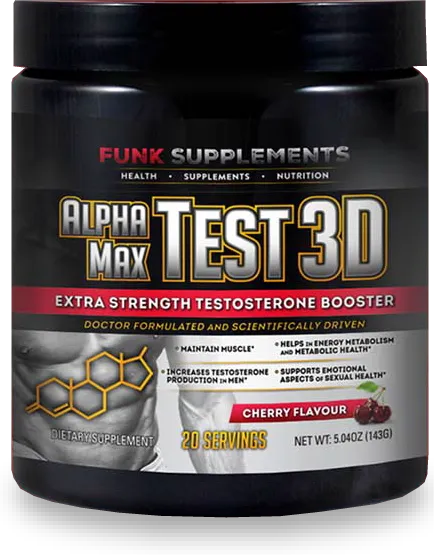
All-natural testosterone booster I formulated with the one and only Funk Roberts.
The Better Fit Mask

My preferred facemask for protection and comfort. Use code: DRANTON for 10% off.
This Book is for You if:
You're between 40 and 75 and serious about staying healthy — not just avoiding disease, but maintaining the energy, strength, and clarity to actually live the life you want.
You're skeptical of quick fixes and extreme programs. You want to know what the research actually says, explained in plain language.
You're willing to make real changes — but you want to start with the ones that matter most, not a 47-point checklist.
You've felt like most health content talks around the issue rather than directly at it.
If that's you, this book was written with you in mind.


A Little About Me
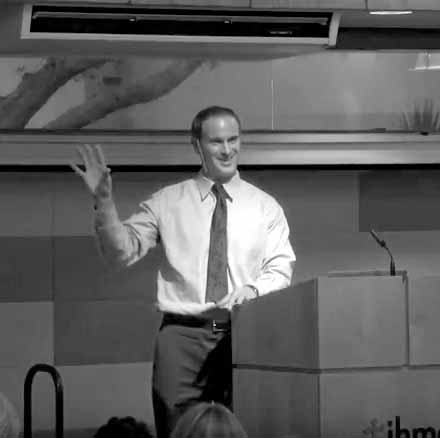
I'm Dr. Stephen Anton. I'm a professor and researcher at the University of Florida, where I've spent more than 25 years studying aging, metabolism, and lifestyle interventions.
I've published over 250 peer-reviewed articles. My research on intermittent fasting was named the most-downloaded article in the journal Obesity in 2019. I've spent my career in the lab and in clinical settings, working with real people on the habits that actually extend healthy, functional life.
I'm also someone who applies this research personally — every day. What I share with you isn't a curated wellness persona. It's what the evidence points to, lived out.
I wrote this book because the science is clear, and too few people have access to it in a form they can actually use.
Get the Free Book.
Ten minutes from now, you'll have a clear picture of where you stand and one specific place to start.
That's the goal — not information overload, but a starting point you can act on today.
No cost. No spam. Unsubscribe anytime.
Recent Blogs
Getting Started with Intermittent Fasting
Unlocking the Power of Intermittent Fasting: A Beginner’s Guide
In the quest for better health, weight loss, and overall well-being, many have turned to various dietary strategies. Among these, intermittent fasting (IF) has emerged as a powerful and popular approach. But what exactly is intermittent fasting, and how can you harness its benefits? This beginner’s guide will help you unlock the power of intermittent fasting.
Table of Contents
Unlocking the Power of Intermittent Fasting: A Beginner’s Guide
The Benefits of Intermittent Fasting
What is Intermittent Fasting?
Intermittent fasting isn’t about what you eat; it’s about when you eat. It involves cycling between periods of eating and fasting. Unlike traditional diets that restrict calories and food types, IF focuses on the timing of meals. The most common methods include:
16/8 Method: Fast for 16 hours and eat during an 8-hour window. This method is popular due to its simplicity and flexibility, allowing you to fit your eating window around your lifestyle.
5:2 Diet: Eat normally for five days and restrict calories to 500-600 for two non-consecutive days. This approach can be easier for those who find daily fasting challenging.
Eat-Stop-Eat: Fast for 24 hours once or twice a week. This method involves a complete 24-hour fast, which can be tough initially but can yield significant benefits.
Alternate-Day Fasting: Alternate between normal eating days and fasting days. On fasting days, some people consume a very small amount of calories (about 500) instead of complete fasting.
The Benefits of Intermittent Fasting
Weight Loss and Fat Loss: By reducing the eating window, IF helps decrease calorie intake. The body also shifts to burning stored fat for energy during the fasting periods. Studies have shown that intermittent fasting can boost metabolic rate by increasing levels of norepinephrine, a hormone that enhances fat burning.
Improved Metabolic Health: IF can enhance insulin sensitivity, lower blood sugar levels, and reduce inflammation, which are crucial for metabolic health. It helps regulate blood glucose levels and reduces the risk of type 2 diabetes.
Heart Health: Intermittent fasting can reduce risk factors for heart disease, including cholesterol levels, blood pressure, and inflammatory markers. Improved cholesterol profiles and reduced blood pressure can significantly lower the risk of cardiovascular diseases.
Brain Health: Studies suggest that IF can support brain health by reducing oxidative stress, inflammation, and promoting the growth of new neurons. It may also protect against neurodegenerative diseases such as Alzheimer’s and Parkinson’s.
Longevity: Animal studies have shown that intermittent fasting can extend lifespan. While more research is needed in humans, the initial findings are promising. The potential longevity benefits are thought to be linked to improved metabolic health and reduced oxidative stress.
Getting Started with Intermittent Fasting
Choose Your Method: Select a fasting method that fits your lifestyle. Beginners often find the 16/8 method the easiest to start with. Consider your daily schedule, social commitments, and personal preferences when choosing a method.
Stay Hydrated: Drink plenty of water, herbal teas, and other non-caloric beverages during your fasting period to stay hydrated. Staying hydrated can help manage hunger and improve overall well-being.
Ease Into It: If you’re new to fasting, start with shorter fasting periods and gradually increase them as your body adjusts. For instance, you can start with a 12-hour fast and gradually work your way up to a 16-hour fast.
Listen to Your Body: Pay attention to how your body responds. It’s normal to feel hungry at first, but if you experience dizziness, fatigue, or other severe symptoms, adjust your approach. Everyone’s body is different, and it’s important to find what works best for you.
Maintain Nutrient-Dense Eating: During your eating windows, focus on whole, nutrient-dense foods to ensure you’re getting the necessary vitamins and minerals. Incorporate a balanced mix of proteins, healthy fats, and complex carbohydrates.
Tips for Success
Consistency: Like any lifestyle change, consistency is key. Stick to your chosen fasting method for several weeks to see the benefits. Keep track of your progress and adjust as needed.
Stay Active: Incorporate regular exercise into your routine. It can help enhance the benefits of intermittent fasting. Activities like walking, yoga, and strength training can be particularly effective.
Seek Support: Join a community or find a fasting buddy to stay motivated and share experiences. Sharing your journey with others can provide valuable support and encouragement.
Be Mindful of Your Eating Window: Plan your meals and snacks ahead of time to ensure you’re making healthy choices during your eating window. Avoid processed foods and focus on whole, nutrient-dense options.
Potential Challenges
Hunger and Cravings: These are common, especially when starting. Gradually, your body will adapt to the new eating pattern. Drinking water and staying busy can help manage cravings.
Social Situations: Fasting can be challenging during social events. Plan ahead and communicate your goals with friends and family. Consider adjusting your fasting schedule to accommodate special occasions.
Medical Conditions: If you have any pre-existing medical conditions or are taking medication, consult with your healthcare provider before starting intermittent fasting. Certain conditions, such as diabetes or eating disorders, may require special consideration.
Conclusion
Intermittent fasting can be a powerful tool for improving your health and well-being. By understanding the basics and starting gradually, you can unlock its full potential. Remember, the best fasting method is the one that fits seamlessly into your lifestyle. So, take the first step, stay committed, and enjoy the journey to a healthier you.
Whether your goal is weight loss, improved metabolic health, or simply feeling better, intermittent fasting offers a flexible and effective approach. With the right mindset and support, you can harness the power of intermittent fasting and transform your health.
© Copyright 2026 | All Rights Reserved Dr. Stephen Anton | Terms & Conditions
This information is for educational purposes only and is not a substitute for personalized medical advice. Please consult your physician before making changes to your health routine.