The Optimal Wellness Plan
A free book from a PhD researcher with 25 years in aging science — five things you can start doing this week to feel stronger, think more clearly, and protect your health for the long run.
No spam. No sales pitch. Just the science, simplified.
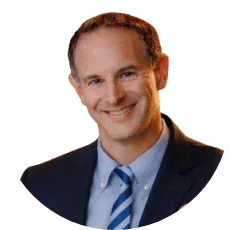
Dr. Stephen Anton
PhD
University of Florida
Professor
250+
Peer-Reviewed Publications

25 Years
Researching Aging, Metabolism & Longevity
If You're Over 40, You've Probably Noticed Something Shifting.
The energy that used to come easily takes more effort now. The weight that used to move doesn't budge the same way. You sleep and still wake up tired. Your thinking feels a little slower than it used to.
Most people assume this is just aging. They accept it, manage around it, and quietly lower their expectations for what their body can do.
I've spent 25 years studying what actually drives these changes — and the research tells a different story.
Most of what we call normal aging isn't inevitable. It's the result of a handful of specific habits — and it can be changed.
Popular Blogs
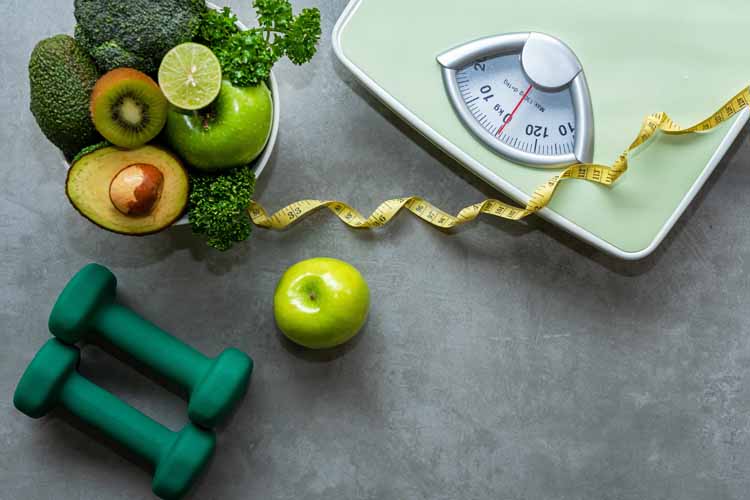
5 Keys to Sustainable Weight Loss
“Have you ever fallen into the dreaded diet trap?”
Almost everyone has at one time or another.
The one where you successfully lost some weight after following a highly restrictive diet for a long time.
Only to regain the weight that you fought so hard to remove.
That all ends today!
When you apply the five keys to sustainable weight loss in your daily life, it replaces that evil four-letter word called DIET, with a lifestyle that is sustainable and allows you to enjoy just about any food and still attain your weight loss and fat loss goals.
“Sound good?”
Great, let us dig in!
What Makes So Many Diets Fail?
For most of us, including myself, following a highly restrictive diet in our current environment is simply unrealistic.
It is not due to a failure of willpower or any character flaw.
We have plenty to stress about already, why add a super-restrictive diet to the mix.
A restrictive diet is a recipe for disaster because while we may lose some weight at the beginning, it is usually short-lived.
After all, the restrictions make us feel deprived and unsatisfied.
Not to mention, the body defends against weight loss through several different biological mechanisms.
These mechanisms make sustained weight loss from “diets” tough to achieve.
“What happens then?”
The Result of Failed Diets
The weight we lost comes back, sometimes even more than what we lost.
For many of us, the type of weight that gets regained is more fat than muscle.
As we repeat this cycle of weight loss and weight gain over time, it can have detrimental effects on our body composition and set us up for even more weight gain in the future (1).
The reason it can set us up for weight gain is that each time we gain fat and lose muscle, our metabolic rate (the way your body burns calories) slows down (2).
This cycle puts most people in a precarious position because the moment we deviate from the restrictive diet or demanding exercise program, body fat will accumulate, or lean mass will be lost.
Both of which lead to unhealthy metabolic changes.
“So, what do we do?”
Focus on Sustainable Weight Loss
A more effective approach to long-term weight loss is to focus on sustainable dietary and exercise practices that enhance our metabolic rate.
Particularly when combined with healthy meals consumed at specific times during the day.
The goal is to shift our bodies from fat storage mode to fat-burning mode in a way that is safe and sustainable.
This shift happens when we do the opposite of what so many others are advising, and it does not involve excessive calorie restriction or feeling deprived.
Instead, we shift the timing of our meals so that they align with our bodies’ natural circadian rhythms and simultaneously enhance our bodies’ energy expenditure.
The 5 Keys to Sustainable Weight Loss
The five keys to sustainable weight loss help increase our bodies metabolic rate, promote long-term sustainable weight loss, and give us the freedom to live fulfilling lives without the stress and feelings of being deprived.
Consume high-quality protein at each meal
Some favorites in this category are chicken breast, salmon, and grass-fed beef
Increase all types of physical activity
Take morning or evening walks
Park further away from our destination
Taking movement breaks if we are engaged in sedentary pursuits (watching TV, working at a computer, or reading)
Engage in resistance training exercise sessions
Particularly ones that work large muscle groups across several joints at the same time
Examples of this are push-ups, lunges, and rowing motions (to name a few)
Avoid (or reduce) night eating
Consume nutrient-rich meals during the day time
If we maintain our eating within a certain period of the day and stop eating a few hours before bed, it gives our bodies time to digest more of the food
Which can be used for necessary repair work while we sleep
Spend some time (15-30 minutes) in a dry sauna if available
It might seem odd to those who haven’t used saunas, but they can help accelerate fat loss
We do cardio partly to sweat and elevate our heart rates; the same thing happens in a dry sauna
The sauna is not a total replacement for cardiovascular exercise; it’s more of a supplement with extra health benefits—but that’s for another article
Sustainable Weight Loss Takeaways
All of the strategies we mentioned on their own can be great additions to our daily routines.
But when we combine them, they can and will increase the calories our bodies burn during the day and lead to more sustainable weight loss and an even healthier body.
After you apply these strategies, you will see that there is no reason to abuse ourselves with super-restrictive diets to achieve sustainable weight loss.

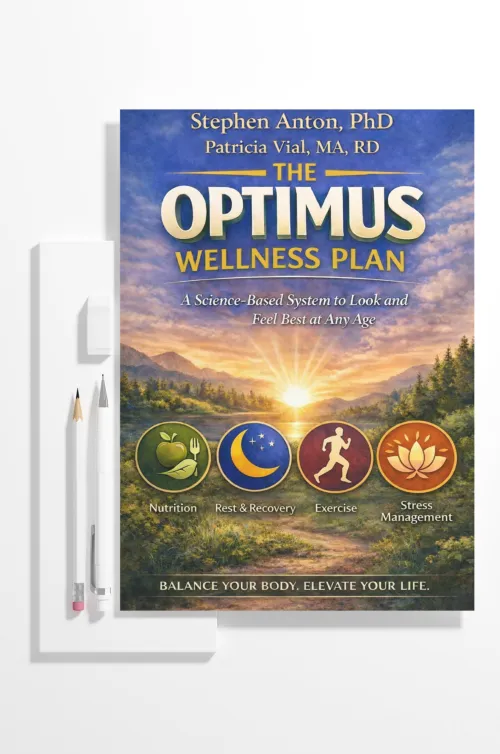
The Optimal Wellness Plan — Free, and Readable in About 10 Minutes.
I wrote this book because I wanted to put the most important science into the hands of people who can actually use it — without the jargon, without the hype, and without asking you to overhaul your life overnight.
It covers the five areas that matter most for how well you age: your metabolism, your muscle, your brain, your sleep, and your stress response.
Each section gives you one specific, evidence-backed action you can take this week. Not a complicated protocol. One thing. Because one thing done consistently is worth more than five things done occasionally.

How I Help You Age Better
I've organized everything I offer around five core areas. You probably need help in more than one of these areas - most people do. The good news is if you improve in one area, you are likely to see improvements in other areas.

More Energy & Better Metabolism
You want to wake up ready to go, not drag through the day. This is about optimizing how your body processes food and fuel. Better metabolism means better energy, easier weight control, and stronger physical performance.
Brain Health & Sharp Thinking
Protecting your brain and maintaining your mental clarity as you age isn't something that happens by accident. It requires specific nutrition, sleep habits, movement, and lifestyle strategies specific to brain health. I'll show you exactly what works.
Stay Strong & Move Without Pain
Maintaining muscle, balance, and mobility is what allows you to live a full life and stay independent as you age. Whether it’s hiking, skiing, playing with your kids (or grandkids) or just moving through your day without stiffness - this matters.
Recovery & Physical Resilience
Your body needs proper recovery to stay healthy. This includes good quality sleep, stress management, and movement strategies that help you bounce back faster.
Purpose & Peace of Mind
Physical health is part of the equation. So is feeling like you're in control of your future, living with purpose, and knowing you're doing the right things at the right times.
How I Help You Age Better
I've organized everything I offer around five core areas. You probably need help in more than one of these areas - most people do. The good news is if you improve in one area, you are likely to see improvements in other areas.
Alpha Max Test 3D
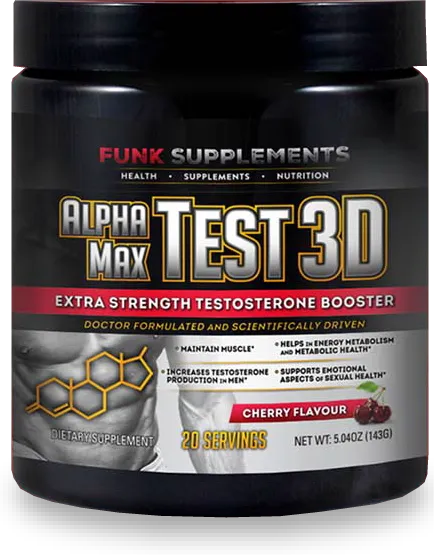
All-natural testosterone booster I formulated with the one and only Funk Roberts.
The Better Fit Mask
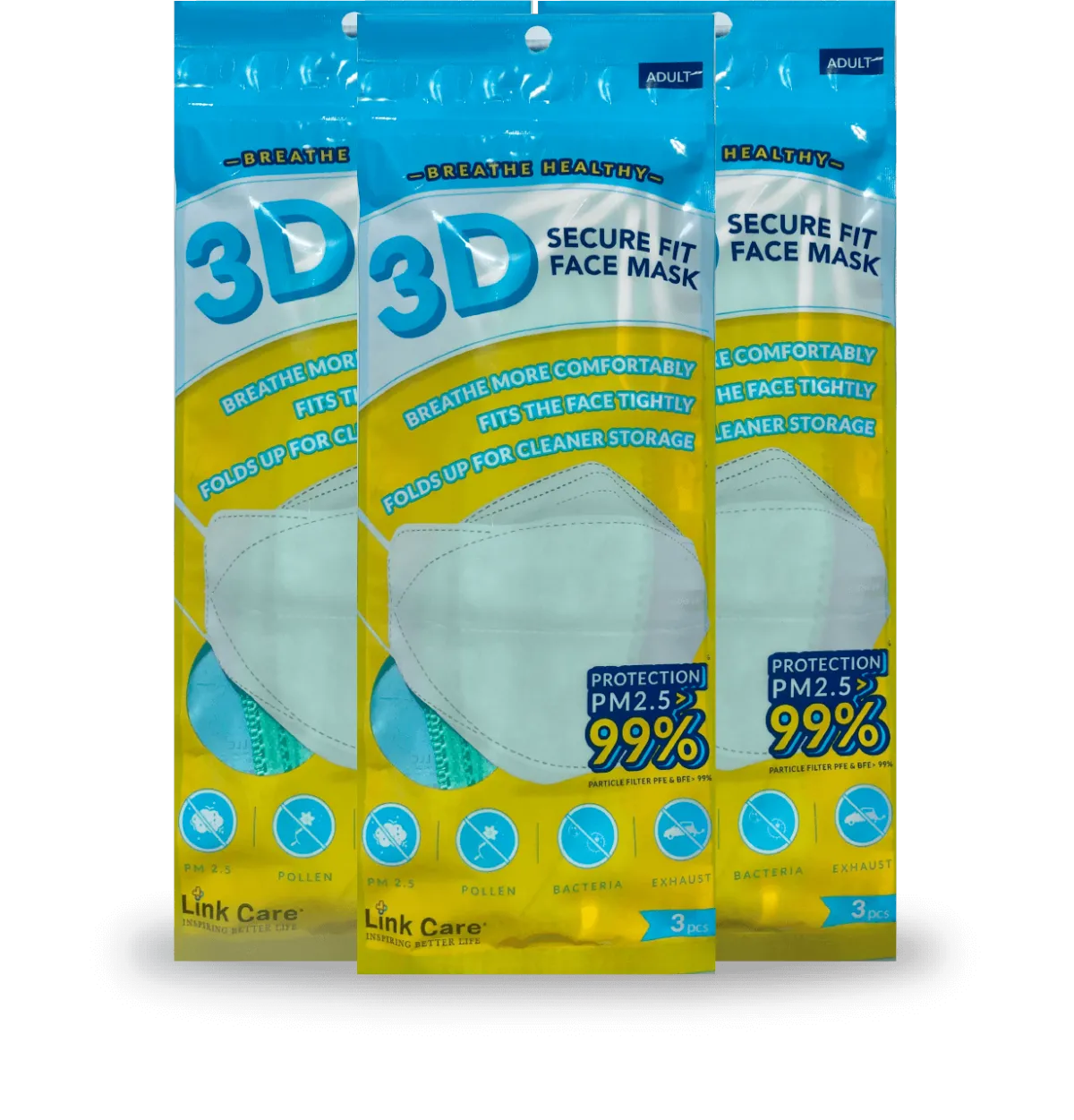
My preferred facemask for protection and comfort. Use code: DRANTON for 10% off.
This Book is for You if:
You're between 40 and 75 and serious about staying healthy — not just avoiding disease, but maintaining the energy, strength, and clarity to actually live the life you want.
You're skeptical of quick fixes and extreme programs. You want to know what the research actually says, explained in plain language.
You're willing to make real changes — but you want to start with the ones that matter most, not a 47-point checklist.
You've felt like most health content talks around the issue rather than directly at it.
If that's you, this book was written with you in mind.

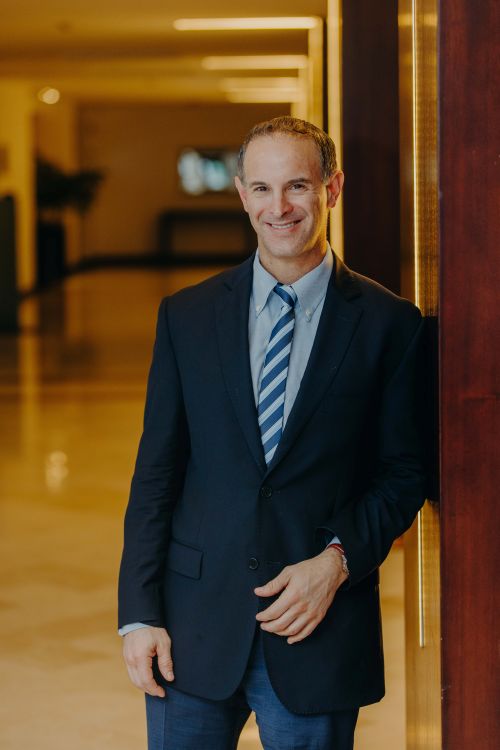
A Little About Me
I'm Dr. Stephen Anton. I'm a professor and researcher at the University of Florida, where I've spent more than 25 years studying aging, metabolism, and lifestyle interventions.
I've published over 250 peer-reviewed articles. My research on intermittent fasting was named the most-downloaded article in the journal Obesity in 2019. I've spent my career in the lab and in clinical settings, working with real people on the habits that actually extend healthy, functional life.
I'm also someone who applies this research personally — every day. What I share with you isn't a curated wellness persona. It's what the evidence points to, lived out.
I wrote this book because the science is clear, and too few people have access to it in a form they can actually use.
Get the Free Book.
Ten minutes from now, you'll have a clear picture of where you stand and one specific place to start.
That's the goal — not information overload, but a starting point you can act on today.
No cost. No spam. Unsubscribe anytime.
Recent Blogs
5 Keys to Sustainable Weight Loss
“Have you ever fallen into the dreaded diet trap?”
Almost everyone has at one time or another.
The one where you successfully lost some weight after following a highly restrictive diet for a long time.
Only to regain the weight that you fought so hard to remove.
That all ends today!
When you apply the five keys to sustainable weight loss in your daily life, it replaces that evil four-letter word called DIET, with a lifestyle that is sustainable and allows you to enjoy just about any food and still attain your weight loss and fat loss goals.
“Sound good?”
Great, let us dig in!
What Makes So Many Diets Fail?
For most of us, including myself, following a highly restrictive diet in our current environment is simply unrealistic.
It is not due to a failure of willpower or any character flaw.
We have plenty to stress about already, why add a super-restrictive diet to the mix.
A restrictive diet is a recipe for disaster because while we may lose some weight at the beginning, it is usually short-lived.
After all, the restrictions make us feel deprived and unsatisfied.
Not to mention, the body defends against weight loss through several different biological mechanisms.
These mechanisms make sustained weight loss from “diets” tough to achieve.
“What happens then?”
The Result of Failed Diets
The weight we lost comes back, sometimes even more than what we lost.
For many of us, the type of weight that gets regained is more fat than muscle.
As we repeat this cycle of weight loss and weight gain over time, it can have detrimental effects on our body composition and set us up for even more weight gain in the future (1).
The reason it can set us up for weight gain is that each time we gain fat and lose muscle, our metabolic rate (the way your body burns calories) slows down (2).
This cycle puts most people in a precarious position because the moment we deviate from the restrictive diet or demanding exercise program, body fat will accumulate, or lean mass will be lost.
Both of which lead to unhealthy metabolic changes.
“So, what do we do?”
Focus on Sustainable Weight Loss
A more effective approach to long-term weight loss is to focus on sustainable dietary and exercise practices that enhance our metabolic rate.
Particularly when combined with healthy meals consumed at specific times during the day.
The goal is to shift our bodies from fat storage mode to fat-burning mode in a way that is safe and sustainable.
This shift happens when we do the opposite of what so many others are advising, and it does not involve excessive calorie restriction or feeling deprived.
Instead, we shift the timing of our meals so that they align with our bodies’ natural circadian rhythms and simultaneously enhance our bodies’ energy expenditure.
The 5 Keys to Sustainable Weight Loss
The five keys to sustainable weight loss help increase our bodies metabolic rate, promote long-term sustainable weight loss, and give us the freedom to live fulfilling lives without the stress and feelings of being deprived.
Consume high-quality protein at each meal
Some favorites in this category are chicken breast, salmon, and grass-fed beef
Increase all types of physical activity
Take morning or evening walks
Park further away from our destination
Taking movement breaks if we are engaged in sedentary pursuits (watching TV, working at a computer, or reading)
Engage in resistance training exercise sessions
Particularly ones that work large muscle groups across several joints at the same time
Examples of this are push-ups, lunges, and rowing motions (to name a few)
Avoid (or reduce) night eating
Consume nutrient-rich meals during the day time
If we maintain our eating within a certain period of the day and stop eating a few hours before bed, it gives our bodies time to digest more of the food
Which can be used for necessary repair work while we sleep
Spend some time (15-30 minutes) in a dry sauna if available
It might seem odd to those who haven’t used saunas, but they can help accelerate fat loss
We do cardio partly to sweat and elevate our heart rates; the same thing happens in a dry sauna
The sauna is not a total replacement for cardiovascular exercise; it’s more of a supplement with extra health benefits—but that’s for another article
Sustainable Weight Loss Takeaways
All of the strategies we mentioned on their own can be great additions to our daily routines.
But when we combine them, they can and will increase the calories our bodies burn during the day and lead to more sustainable weight loss and an even healthier body.
After you apply these strategies, you will see that there is no reason to abuse ourselves with super-restrictive diets to achieve sustainable weight loss.
© Copyright 2026 | All Rights Reserved Dr. Stephen Anton | Terms & Conditions
This information is for educational purposes only and is not a substitute for personalized medical advice. Please consult your physician before making changes to your health routine.